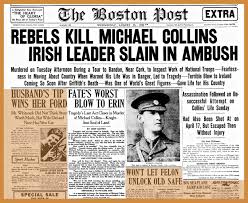
 Guerilla warfare became the defining characteristic of the Irish Civil War (1922–1923) because it was the only viable strategy left for the Anti-Treaty IRA (the “Irregulars”) after they lost control of Ireland’s major cities. While the conflict began...
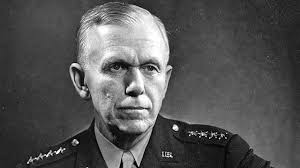 The Marshall Plan, officially known as the European Recovery Program (ERP), was a massive American initiative passed in 1948 to aid Western Europe. It is widely regarded as one of the most successful foreign policy initiatives in Here is a breakdown of what the plan...
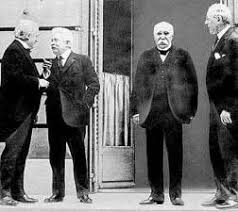 Here is an overview of how Germany’s borders changed after World War I, designed to be clear and understandable for a Year 9/10 (14-year-old) history student. The Big Picture – Treaty of Versailles (1919) After losing World War I, Germany was forced to...
 On March 7, 1936, German troops marched into the Rhineland, a region of Germany that had been demilitarized after World War I. This was a pivotal moment in the lead-up to World War II. Here is an analysis of why this happened and the consequences that followed. Why...
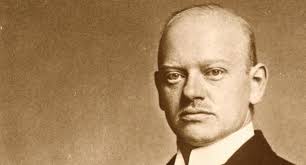 The period from 1924 to 1929 in Germany is frequently referred to as the “Golden Twenties” (Goldene Zwanziger). It was a time of relative stability sandwiched between the hyperinflation of 1923 and the Great Depression of 1929. Whether it was...