
The Marshall Plan, officially known as the European Recovery Program (ERP), was a massive American initiative passed in 1948 to aid Western Europe.
Here is a breakdown of what the plan aimed to achieve and an analysis of its success.
The Aims of the Marshall Plan
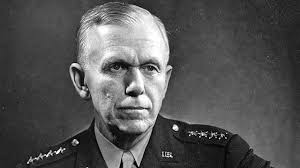
The plan was named after Secretary of State George C. Marshall, who proposed it.
1. Economic Reconstruction
-
Rebuild Infrastructure: World War II had decimated Europe’s industrial and agricultural production.
The primary goal was to rebuild factories, railways, and power -
Modernization: It aimed to update European industrial practices with American management techniques and modern machinery.
-
Currency Stability: Post-war inflation was rampant. The plan sought to stabilize currencies to encourage trade and investment.
2. Containment of Communism
-
The “Domino Theory”: American policymakers feared that poverty, hunger, and chaos were breeding grounds for communism. Strong communist parties were already gaining popularity in France and Italy.
-
Creating a Buffer: By making Western Europe prosperous, the U.S. hoped to create a strong democratic buffer against the Soviet Union and the Eastern Bloc.
3. European Integration & Trade
-
Removing Trade Barriers: The plan required receiving nations to cooperate and reduce trade barriers, laying the groundwork for a unified European market
-
Boosting the U.S. Economy: A recovered Europe would have the money to buy American exports. The U.S. needed a market for its surplus goods to avoid sliding back into a depression.
Was it Successful?
Yes, the Marshall Plan is overwhelmingly considered a success.
While some historians argue that European recovery was already beginning before the aid arrived, the infusion of $13 billion (approximately $173 billion in today’s money) accelerated the process significantly.
1. The Economic Miracle
The period following the plan (1948–1952) saw the fastest period of growth in European history.
-
Industrial production in participant nations increased by 35%.
-
Agricultural production surpassed pre-war levels.
-
The “dollar gap” (the shortage of U.S. currency in Europe needed to buy imports) was closed.
-
This era is often referred to as the Wirtschaftswunder (economic miracle), particularly in West Germany.
2. Political Stability (The Cold War)
The political aim was achieved completely.
-
Communist influence in Western Europe was significantly blunted. As the standard of living rose, the appeal of radical revolutionary parties declined.
-
Western Europe remained firmly in the capitalist, democratic sphere of influence.
3. Long-Term Integration
Perhaps the most enduring legacy was institutional. To administer the aid, European nations formed the OEEC(Organization for European Economic Cooperation).
Note on the Eastern Bloc: The U.S. actually offered Marshall Plan aid to the Soviet Union and its satellites (like Poland and Hungary), but Stalin refused the aid and forbade his satellite states from accepting it, fearing it would weaken Soviet control over Eastern Europe.
Summary Table
| Feature | Details |
| Duration | 1948 – 1952 (4 years) |
| Total Aid | ~$13 Billion (mostly grants, not loans) |
| Top Recipients | United Kingdom (26%), France (18%), West Germany (11%) |
| Key Outcome | Rapid economic growth; solidification of the Western Alliance |
Would you like to know more about how the Marshall Plan specifically affected a certain country, like Germany or the UK?